Data, Conformity and Art
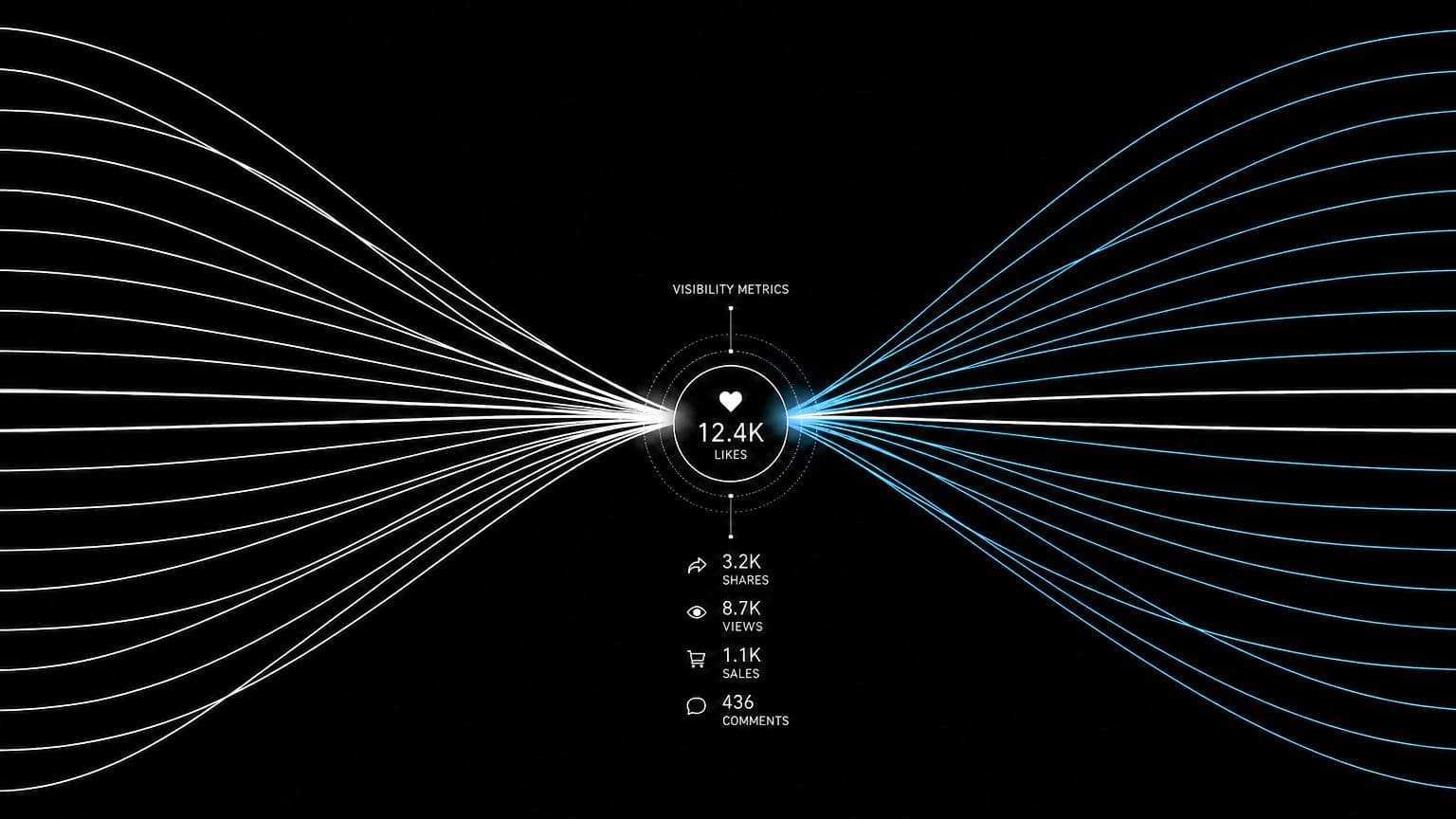
Although this approach is not directly applied in art, artists and institutions are increasingly beginning to act based on various data. Social media interactions, likes, shares, sales figures, common features of works successful in open calls, or collector trends form an invisible data layer. When these indicators gain weight in decision-making processes, art production can also begin to be shaped according to measurable outputs. Over time, this dynamic could transform into a structure where visibility metrics shape aesthetic preferences. When art production approaches a system where only what is visible is optimized, in the long run, it carries the risk of pushing the creative landscape toward a more standardized, less authentic, and increasingly commodified structure.
The problem is not the data itself. The problem is that everyone looks at the same data to make similar decisions. This is precisely where data-driven approaches can accelerate isomorphism. If all artists, galleries, or institutions try to optimize for the same success indicators, similar aesthetics, similar forms of production, and similar exhibition strategies may emerge over time.

If artists focus on the question, "What do the most shared artworks look like?", the resulting works may converge over time. Yet, a significant part of art is born from ideas that cannot yet be measured, or even understood at first glance. Data can show what attracted attention in the past; however, it cannot guarantee what will be important in the future.
What can be measured is not always what is most valuable. Sometimes the most valuable things are those that cannot yet be measured or have not yet found their equivalent. The fact that many important movements in art history were not popular when they first emerged can be seen as an example of this. If they had looked at data, perhaps some of these experimental tendencies would never have been supported.
Data-Driven Approach
Decisions being shaped by measurable data rather than intuition.
Isomorphism
Structural convergence that occurs when different fields of production lean toward the same metrics.
Visibility Metrics
Numerical indicators that measure the visibility of content. Visibility metrics such as likes, shares, sales, and interactions.